

Modern accounting software provides real-time access to financial data. Authorized users can view up-to-the-minute information on revenue, expenses, cash flow, and more. Accurate financial reports are essential for calculating and filing tax returns, ensuring compliance with tax laws and regulations. Incorrect reporting can be damaging for dealerships as it may lead to penalties and legal issues. Dealerships should consider daily reconciliations instead of waiting until the end of the month to reconcile their bank accounts. Daily reconciliations can create positive benefits for your dealership, such as, catching contracts in transit that have been cashed but not recorded and speeding up monthly closings.
LET’S DISCUSS HOW ADVANTAGE TAX, ACCOUNTING & PAYROLL CAN SUPPORT YOUR CAR AND automotive dealership
Through these meticulous comparisons and verifications, reconciliation ensures that all financial activities within the dealership are properly documented and accounted for. Reconciliation plays a vital role in maintaining accurate financial records and ensuring the smooth functioning of auto dealership accounting. In essence, reconciliation in auto dealerships involves the meticulous comparison and verification of various financial documents and records to ensure consistency and accuracy. Outsourcing your financial management to a specialized CPA firm like Advantage Accounting & Tax allows you to focus on running your dealership while experts handle critical financial tasks. This includes accurate cash flow management, financial statement preparation, tax compliance, and payroll processing. By leveraging professional services, you can make more informed decisions, ensure tax efficiency, and maintain financial health—all essential for growing and sustaining your business.
Utilizing Accounting Software Effectively
This analysis is particularly important in the automotive industry, where large capital expenditures and fluctuating sales can significantly impact cash flow. Professional bookkeeping for car dealerships costs money but saves more. The time you get back goes toward growing sales and improving operations. Most importantly, professionals catch issues and opportunities you’d miss, often saving or earning you multiples of what you pay them. When utilizing accounting software effectively, it is crucial to understand its capabilities and features fully.

Accounts Payable and Receivable

To overcome these challenges, engaging professional tax advisors with dealership expertise can provide valuable insights and ensure compliance. Accrual accounting also aligns with the matching principle, which states that expenses should be recognized in the same period as the revenue they help generate. This principle allows dealerships to accurately assess their profitability and make informed decisions about pricing, inventory https://goodandgeeked.com/cash-over-and-short-journal-entry-example-2/ management, and cost control. Internal controls and compliance are essential for safeguarding the dealership’s assets and ensuring the accuracy of financial reporting.
Plans to suit your business
- Walk into any retail store and the accounting is relatively straightforward.
- Though these might not be the flashiest part of the business, they need just as much attention as sales and service.
- Using specialized tools designed for dealership accounting can save time and reduce errors.
- By outsourcing to a firm with experience in the automotive sector, you can rest assured that your finances are being managed by someone who understands the nuances of your industry.
Enhancing inventory management strategies is essential for maintaining a competitive position in the auto dealership business. Automobile dealerships can better track inflows and outflows with a CRM and real-time accounting, identify discrepancies, and prevent fraudulent activities. Regular reconciliation is essential for accurate financial reporting and decision-making. Utilizing a reliable tool like AutoRaptor CRM can streamline the process, gym bookkeeping ensuring all transactions are recorded and accounted for.
- This helps dealerships manage their cash flow efficiently and stay compliant with industry standards.
- Accurate record-keeping and a thorough understanding of the dealership’s financial health enable informed decision-making and compliance with tax regulations.
- Manage cash flow, payroll, and daily summaries with a newfound ease and get rid of nightly batch processing.
- Having dedicated financial experts ensures your automotive business or car dealership receives continuous and effective support, seamlessly integrating with your team whenever needed.
- With effective accounting, you can identify areas to cut costs, improve profitability, and make informed decisions to grow your business.
- These can all be used to monitor performance trends and help a dealership improve its profitability.
By regularly reviewing and reconciling financial data, businesses can identify discrepancies early on and prevent potential issues. Automating accounting processes can lead to increased efficiency and accuracy in financial management. By utilizing tools such as AutoRaptor CRM, businesses can streamline tasks such as invoicing, payroll, and reporting. Floor plan financing is a specialized type of loan used by car dealerships to finance their inventory.
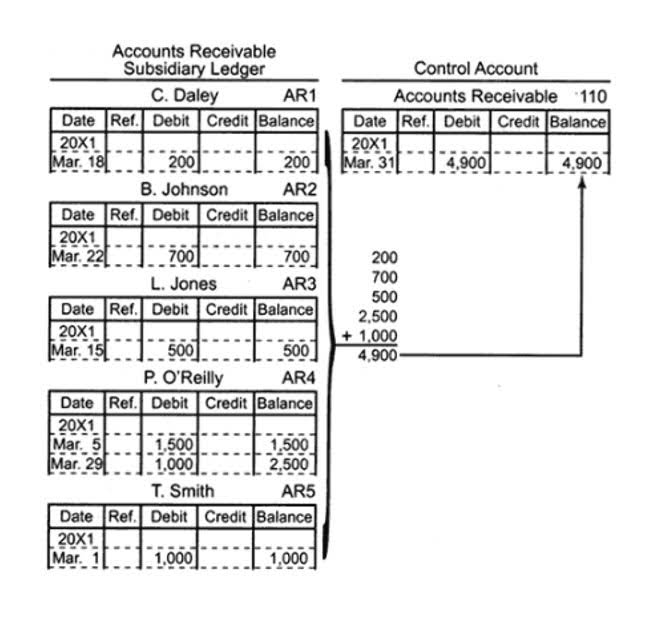
Invoices are scanned in and posted automatically to the AP system based on the purchase or invoice number. The reviewer then just needs to make sure everything matches, approve the payment if it does, then the invoice is paid electronically based on the payment terms negotiated by the vendor. Expanding service offerings, like adding a repair shop or offering financing options, can drive growth.

Compliance with regulatory requirements is another critical aspect of internal controls. Dealerships must adhere to various regulations, such as those set by the Financial Accounting Standards Board (FASB) and the Internal Revenue Service (IRS). By fostering a culture of compliance, dealerships can mitigate the risk of legal and financial penalties, protecting their reputation and financial stability. The income statement, on the other hand, details the dealership’s revenues and expenses over a specific period. This statement is instrumental car dealership accounting in evaluating the dealership’s profitability.
Dealership-specific topics include floorplan interest, contracts in transit, and factory receivables. The course also covers how to account for payroll and the steps needed to close the books. Every transaction, from showroom sales to service invoices, impacts your bottom line.
Common Methods in Accounting for Car Dealerships

Make sure to track all transactions and expenses accurately to avoid issues with tax authorities. Have you ever wondered how the accounting practices in an automobile dealership can impact its success? According to First Research, the US automobile dealer industry consists of about 50,000 establishments, generating approximately $1 trillion in annual revenue. Other reconciliation items that must be addressed include the open parts account with the manufacturer and prepaid expenses, such as service contracts and vehicle and parts inventory costs. Dealerships must ensure these accounts are properly expensed, and any uncollectible amounts are written off on time.

